Multiple Income Streams for Artists: How to Build a More Sustainable Creative Career
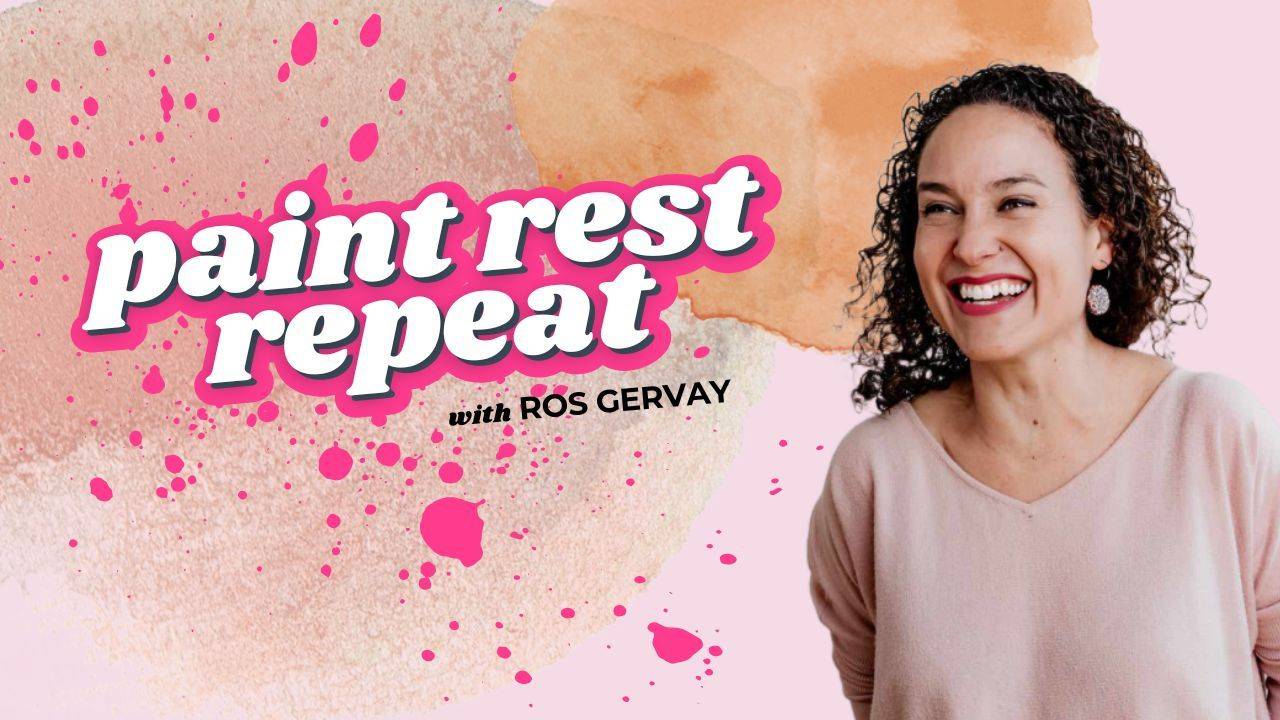
Episode 114 | Paint Rest Repeat Podcast for Artists
In a Nutshell For many artists, building a sustainable creative career means letting go of the idea that income has to come from one source alone. Original art sales can be deeply meaningful, but they can also be inconsistent, seasonal, and affected by broader economic conditions. Multiple income streams can help artists create more financial stability, reduce pressure on their art practice, and give themselves more room to grow, experiment, and stay connected to the joy of creating. This does not mean doing everything at once or turning your practice into a hustle machine. It means thinking practically about how your creative life can support both your income and your wellbeing over time. Madeline Young’s journey as both an abstract artist and curator for The Corner Store Gallery is a strong example of how a layered, evolving art career can offer both resilience and freedom.

Here for the links referenced in the episode?
Ready to find your people and join the most welcoming online community for artists of all stages? 👉 Join Permission to Paint Free Community here
Keen to connect with Madi? See Madi's art here and the gallery here.
Episode 114: Listen using the player below, or click on your favourite listening platform to subscribe and listen there:



Why Multiple Income Streams Matter for Artists
Many artists begin with a simple hope: to make and sell their work. And of course, that can absolutely be part of the picture.
But in reality, creative careers are often more layered than that.
Art sales can fluctuate. Some months bring strong momentum, and other months feel much quieter. Buyers may love your work and still need time before making a purchase. Gallery opportunities can come in waves. Markets and exhibitions can be worthwhile, but not always predictable. And wider cost-of-living pressure can affect how quickly people are willing to spend on non-essential items, including art.
That is one reason why multiple income streams can be so valuable. They can help create a more stable foundation underneath your art practice, especially during slower seasons, artistic pivots, or challenging personal chapters.
For some artists, that might mean teaching workshops. For others, it may include prints, commissions, mentoring, freelance creative work, part-time employment, curating, or products. The goal is not to pile on endless offers. The goal is to build a creative life that feels more supported and less fragile.
The Pressure of Relying on Art Sales Alone
One of the hardest things for artists is the emotional pressure that can build when their art is expected to carry the full weight of their income.
When every painting needs to sell, every launch needs to work, or every exhibition has to “pay off”, it can start to affect the way art feels. For some artists, that pressure becomes motivating. For many others, it can begin to interfere with freedom, experimentation, and joy.
This is especially true during periods of change.
Madeline Young spoke openly about moving away from a style that had once sold well because it no longer felt creatively fulfilling. That kind of shift is brave, but it can also be financially vulnerable. Starting again often means developing new work, attracting a new audience, and going through a stretch where validation and sales are slower to come. In her case, having the gallery as another strong part of her working life helped create the breathing room she needed to evolve artistically without relying on immediate sales from the new direction.
This is an important point for artists. Financial support structures do not only affect your bank account. They can also affect your creative courage.
A Sustainable Art Career is Rarely One-Dimensional
The idea of the full-time artist living solely from original sales can sound romantic, but many real creative careers are built differently.
Madeline’s path is a great example of that. Alongside her own art practice, she has built a long-running gallery, offered mentoring, run workshops, hosted artisan pop-ups, made jewellery, and held other jobs over the years as needed. Rather than making her path less valid, those layers have helped shape a more resilient creative life.
This is often how sustainable art careers are built: not through one perfect income stream, but through a combination of aligned pieces that work together.
That does not mean every artist needs the same mix. It simply means artists are allowed to build a model that suits their life, their energy, their strengths, and their goals.
Examples of Income Streams Artists Can Explore
The best income streams are usually the ones that make sense for your particular skills, interests, and season of life.
Depending on the artist, these might include:
- original artwork sales
- prints
- commissions
- workshops
- mentoring
- community events
- creative products
- gallery work or curating
- freelance creative services
- part-time work outside the studio
Madeline’s experience shows how varied this can look in real life. Over the years, she has explored painting, gallery work, mentoring, handmade pop-ups, workshops, artisan collectives, jewellery-making, hospitality, and admin work. Some of these were long-term. Some suited a particular season. Some were phased out when life changed.
That flexibility matters.
Not every stream needs to last forever. Some may support you while your art practice grows. Others may become more central over time. The key is to stay responsive and avoid treating every decision as permanent.
Multiple Income Streams Can Help Keep Art Joyful
There is another reason this topic matters so much: multiple income streams can help protect your relationship with your art.
When you have at least some income coming from elsewhere, your art does not always have to perform on demand. That can give you more freedom to try something new, take creative risks, develop a fresh body of work, or move through a slower season without panicking that every piece must sell immediately.
Madeline described this beautifully through her own shift in style. She had previously made work that sold well and was commercially established, but it had started to feel mechanical and unfulfilling. Starting again artistically was hard, yet having the gallery there as another stable part of her creative life gave her more space to play and evolve.
That is something many artists need to hear.
Sometimes the “extra” income stream is not pulling you away from your art. Sometimes it is the very thing helping you stay connected to it.
Adapting Through Seasons of Life
Creative careers do not unfold in a vacuum. They are shaped by parenting, relationships, energy levels, grief, opportunity, local context, and the unexpected turns life takes.
In Madeline’s story, motherhood, Covid, and the breakdown of her marriage all influenced the shape of her creative life and work. She also spoke honestly about gallery loneliness and the very real challenge of doing so much of this work on your own. These are not side notes. They are part of what makes an art career real.
This is why sustainable business models matter.
What supports you in one season may not support you in another. You may need more flexibility after having children. You may need more financial predictability during a difficult personal chapter. You may crave more creative space after years of practical work. A healthy creative career allows for adaptation.
Practical Does Not Mean Uncommitted
Sometimes artists worry that having other income streams means they are not “serious enough” about their art.
But being practical is not the opposite of being committed.
In fact, practical thinking is often what allows commitment to last.
Madeline repeatedly returned to the importance of realism: having a backup plan, keeping a bread-and-butter line for a while, or exploring options like prints or workshops if they suit your practice. Her point was not that artists should dilute their work. Her point was that artists need to understand the world they are working within. If buyers are under financial pressure, art may not be the first thing they purchase. That does not mean your work lacks value. It simply means your business model may need support around it.
There is wisdom in building from that reality instead of resisting it.
A Note on Teaching As an Income Stream
Teaching can be a wonderful addition to an art business, but it is worth approaching thoughtfully.
One particularly useful insight from this conversation was Madeline’s caution around teaching people to make your exact signature work. Her advice was to teach in a way that helps others build skills, confidence, and decision-making, rather than simply reproducing the style you yourself sell.
That distinction is important.
A strong workshop can absolutely become part of a sustainable creative business. But it works best when it complements your practice rather than undermining it.
What Artists Can Take From This
If you are an artist trying to build a more stable and sustainable career, this topic is worth thinking about gently and honestly.
You do not need to do everything.
You do not need to launch five offers overnight.
You do not need to force yourself into a business model that feels exhausting or out of alignment.
But it may be worth asking:
- What currently supports me financially?
- Where does my art feel pressured?
- What parts of my creative life feel energising?
- Is there an income stream that could support me without draining me?
- What could help me create with more freedom over the next season?
A sustainable creative career is not always the most glamorous-looking one from the outside. Often, it is the one built with care, realism, flexibility, and enough support to keep the art alive.
Key Takeaway
Multiple income streams can help artists build a more sustainable creative career by creating greater financial stability, reducing pressure on original art sales, and allowing more room for experimentation and joy. The most resilient art businesses are not always built on one perfect stream of income. They are often built on a thoughtful mix of work that supports both the artist and the art over time. Madeline Young’s journey is a beautiful reminder that a layered creative life can still be deeply meaningful, professional, and true.
Join a Supportive Artist Community
If you would like encouragement, practical guidance and connection with other artists navigating the ups and downs of building an art career, you are warmly invited to join the free Permission to Paint community.
It is a space where artists share their work, grow in confidence, and support one another as they build their creative lives.
You can join here: permissiontopaint.co/freecommunity
If you’re ready for more personalised support in building your art business, there are plenty of ways we can work together — from self-paced courses and practical resources to memberships and masterminds. Reach out here.
Ros x
Ros Gervay is an Australian artist and creative business coach who helps artists build sustainable, income-generating art businesses without burnout or compromise. She is the founder of Art for the Heart (AFH) — an online membership community for artists at all stages — and the creator of the Thrive Mastermind, a professionalisation container for artists ready to grow beyond the learning stage. Ros hosts the Paint Rest Repeat podcast, where she shares honest conversations about the art life, creative business, and what it really takes to get paid to do what you love. Based in Australia and working with artists worldwide. Learn more at permissiontopaint.co
Frequently Asked Questions
Why are multiple income streams important for artists? Multiple income streams can help artists create more financial stability, especially when original art sales are inconsistent or affected by wider economic conditions. They can also reduce pressure on the art itself and create more room for experimentation, growth, and creative freedom.
What are some examples of income streams for artists? Depending on the artist, income streams might include original artworks, prints, commissions, workshops, mentoring, curating, products, events, freelance creative work, or part-time employment outside the studio. Madeline Young’s career is one example of how varied this can look.
Can multiple income streams help artists feel less pressure? Yes. When artists are not relying on one source of income alone, they often have more breathing room. That can make it easier to create from a place of freedom rather than fear, especially during slower seasons or times of creative change.
Is it okay for artists to have a side hustle? Yes. Having a side hustle or backup plan does not make you less serious about your art. For many artists, it is a practical and healthy way to support their creative career while reducing financial stress.
Can artists teach workshops as part of their income mix? Absolutely, but it is wise to think carefully about what and how you teach. Workshops can be a valuable income stream when they help others build skills and confidence without simply copying your exact signature style.
How can artists build a more sustainable creative career? A sustainable creative career is usually built through a mix of realism, flexibility, aligned income, and room for adaptation. That may include multiple income streams, thoughtful financial planning, and a willingness to let your business evolve as your life changes.